In commercial printing production, drying time is one of the key factors that influence efficiency, print quality, and delivery schedules. For sheet-fed offset printing ink, understanding how environmental conditions affect ink drying performance is essential for maintaining stable production. Temperature and humidity inside the pressroom can significantly change ink setting speed, paper behavior, and the overall performance of sheet-fed offset printing ink.
At Hypertai, we work closely with printing enterprises worldwide to provide reliable printing material solutions. With years of experience in the printing industry, we understand that selecting the right ink is only one part of achieving consistent results. Proper production conditions and suitable ink characteristics must work together to ensure efficient printing operations.
Why Temperature Matters for Sheet-Fed Offset Printing Ink Drying
Temperature can affect ink viscosity, setting behavior, oxidation rate, and the interaction between ink and paper, so changes in pressroom conditions can influence the time required before further finishing. In sheet-fed offset printing, most conventional inks rely on oxidation and absorption processes to form a stable ink film on the paper surface. When the temperature is too low, these processes may slow down, extending drying time and delaying post-press operations.
A cold printing environment can create several challenges:
- Ink viscosity may increase, reducing smooth ink transfer.
- Ink penetration into paper can become slower.
- Oxidative drying reactions may take longer.
- Printed sheets may require additional waiting time before folding, cutting, or binding.
For this reason, many professional printing facilities maintain controlled production environments to reduce seasonal variations. Stable temperature conditions help printers achieve more predictable performance from their sheet-fed offset printing ink and reduce production interruptions.
On the other hand, extremely high temperatures can also create problems. Excessive heat may affect ink consistency, accelerate ink drying on rollers, and increase the risk of ink balance issues during long production runs. Therefore, maintaining a suitable temperature range is important for both print quality and press stability.
How Humidity Influences Sheet-Fed Offset Printing Ink Performance
Humidity is another important environmental factor affecting offset printing production. Excess moisture in the air can influence both paper properties and ink behavior.
High humidity can increase the moisture content of paper, and depending on the paper grade and environmental conditions, this may contribute to dimensional changes, curling, or reduced handling stability during printing. These changes can affect registration accuracy and create challenges in maintaining consistent print results.
For sheet-fed offset printing ink, high humidity environments may also influence the relationship between ink and fountain solution. Offset printing requires a carefully controlled balance between oil-based ink and water-based dampening systems. If this balance changes, printers may experience issues such as slower drying, uneven ink transfer, or reduced print sharpness.
Low humidity conditions can create different problems. Dry environments may increase static electricity on paper, making sheet handling more difficult. This can affect feeding performance and increase the possibility of production errors, especially during high-speed commercial printing.
For printing companies managing large production volumes, controlling humidity is an effective way to improve consistency and reduce unnecessary material waste.
Choosing the Right Sheet-Fed Offset Printing Ink for Different Production Conditions
Environmental control is important, but the ink formulation itself plays an equally important role in drying performance. A well-designed ink should provide stable printability across different production conditions.
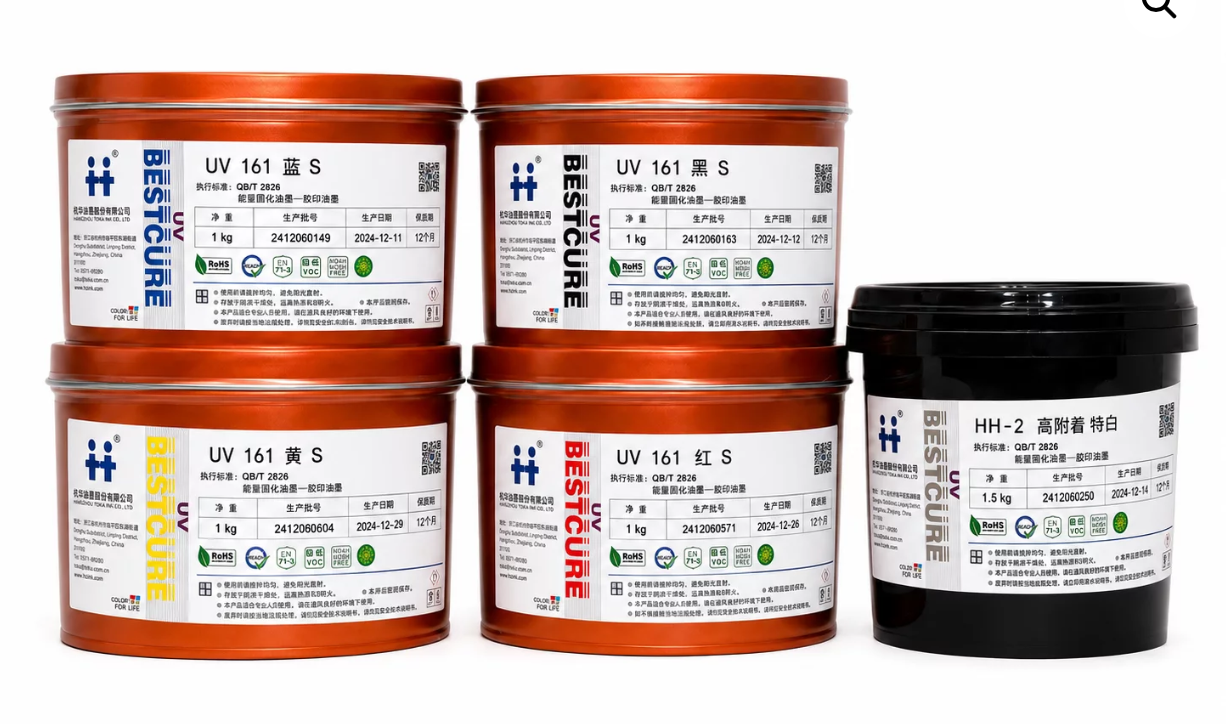
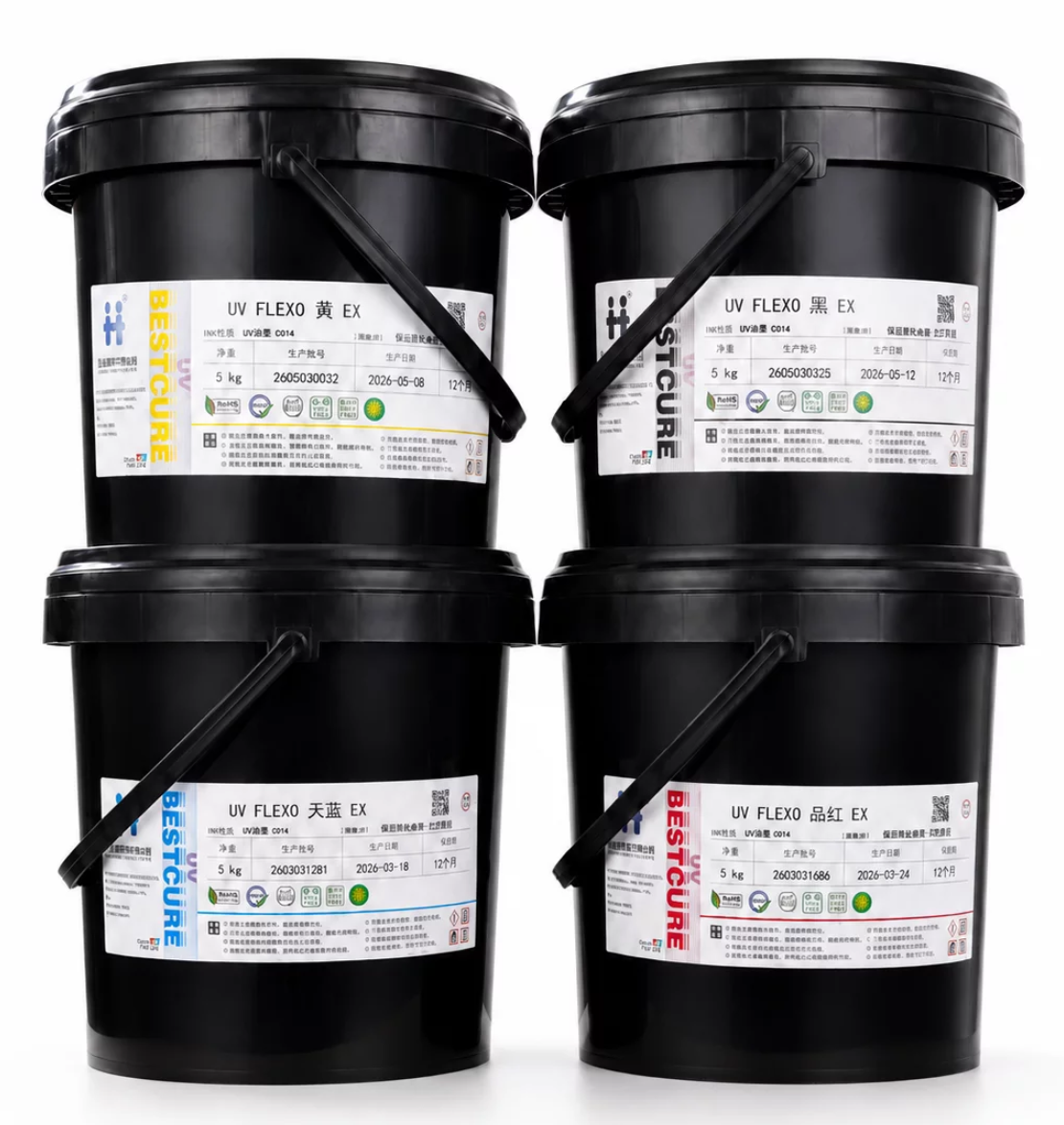
At Hypertai, we supply professional printing ink solutions designed for commercial printing, packaging printing, and other industrial applications. Our product portfolio includes different offset ink series developed to meet various production requirements.
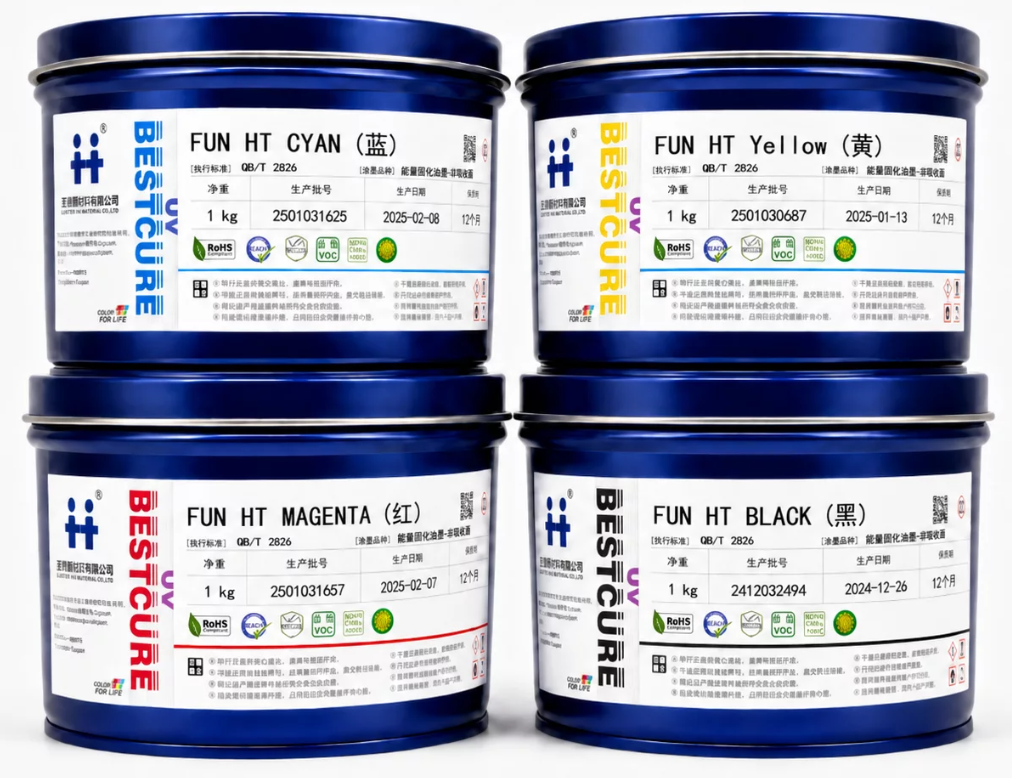
One of our recommended solutions is the FUN HT Series, an economical oil-based sheet-fed offset printing ink designed for daily commercial printing applications. With quick-drying performance, stable emulsification control, and reliable printability, this series helps printers maintain consistent production efficiency under different working conditions. It is also developed to meet relevant environmental and safety requirements, making it suitable for various commercial and packaging printing needs.
For printers working under changing environmental conditions, choosing an ink with stable drying characteristics can help reduce production risks and maintain consistent output quality.
Practical Ways to Improve Ink Drying Efficiency in Printing Production
Printing companies can take several practical steps to optimize drying performance:
- Maintain a stable pressroom environment
Keeping temperature and humidity within a controlled range helps minimize fluctuations in ink and paper behavior. - Select ink according to application requirements
Different substrates, printing speeds, and finishing processes require different ink characteristics. Working with an experienced supplier can help identify suitable solutions. - Monitor ink-water balance carefully
Incorrect fountain solution settings can affect drying speed and print quality. Proper press adjustment is essential for stable production. - Consider production volume and turnaround requirements
For high-volume commercial printing, quick-drying ink formulations can help shorten waiting periods and improve overall workflow efficiency.
Hypertai Supports Reliable Printing Solutions Worldwide
As an international printing material supplier, Hypertai focuses on helping overseas printing companies find suitable products and technical solutions. We provide printing inks, plates, and related pressroom materials while supporting customers with product matching based on their printing process, substrate, and production requirements.
Temperature and humidity control remain important factors in achieving stable printing performance, but the right ink selection is equally critical. By combining proper production conditions with reliable sheet-fed offset printing ink, printers can improve efficiency, reduce waste, and deliver consistent quality to their customers.
At Hypertai, we continue to provide practical ink solutions and professional support to printing enterprises worldwide — wherever you are, we are ready to support your printing needs.