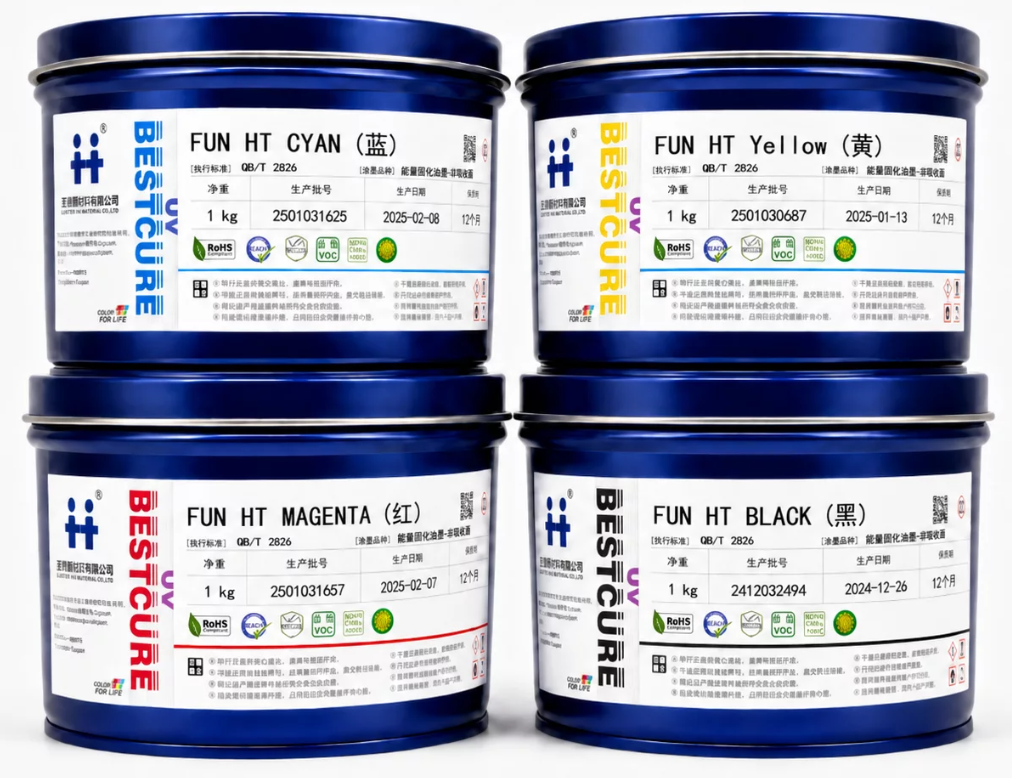
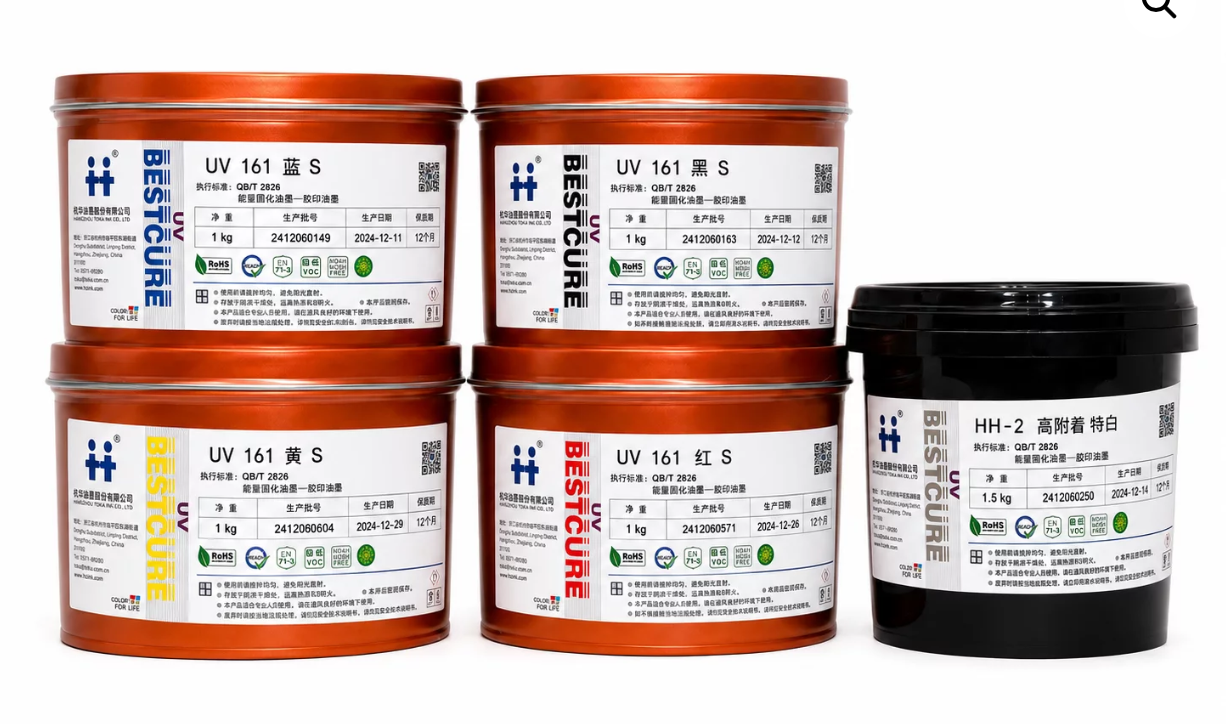
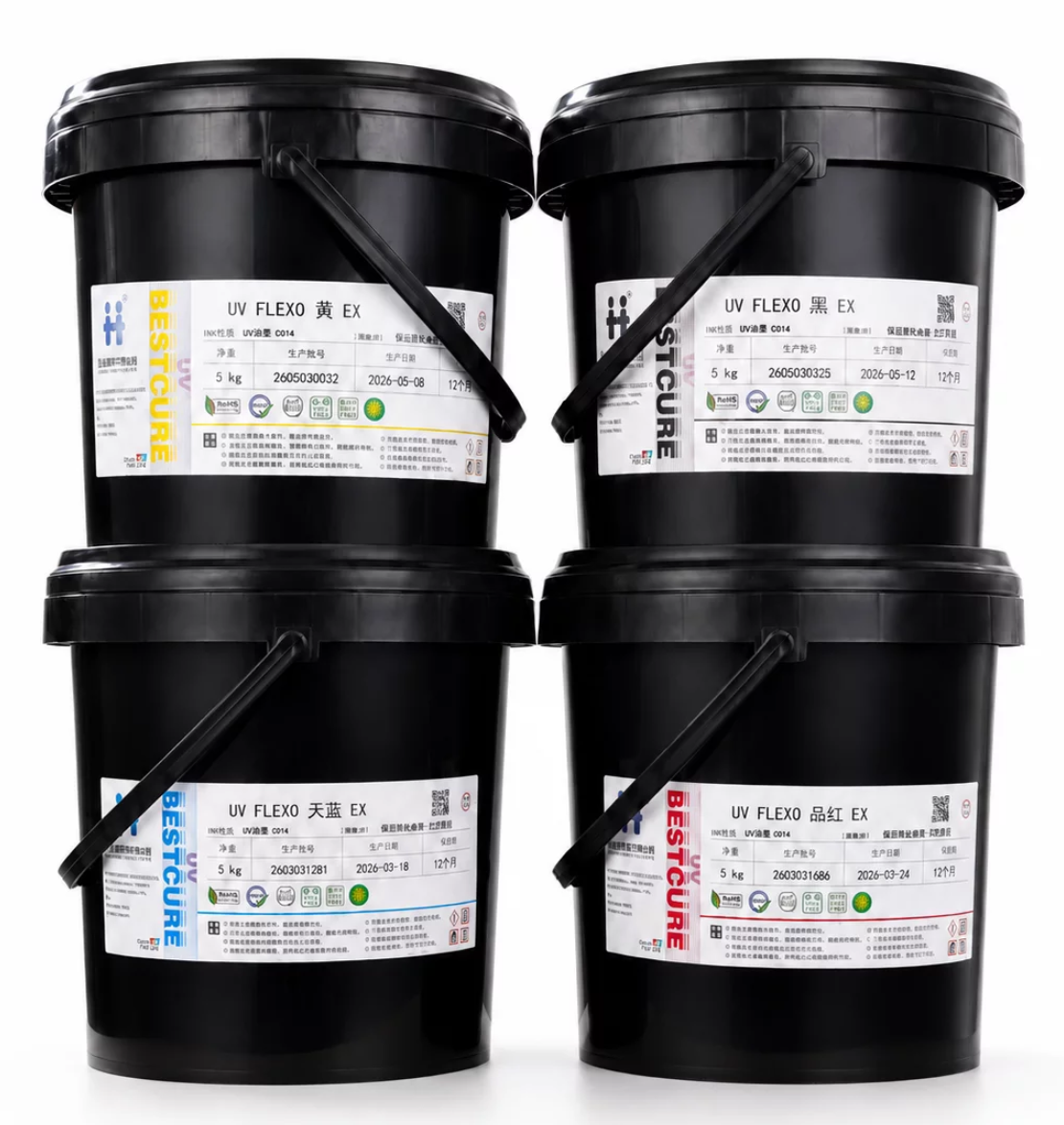
As printing companies pay more attention to sustainable materials, mineral oil-free offset ink is becoming an option for commercial printing, publishing, and packaging production. However, choosing the right ink requires more than considering environmental claims. Printers must also evaluate print quality, ink-water balance, setting performance, and substrate compatibility.
At Hypertai, we supply printing materials and ink solutions for international B2B customers. Our product range includes offset inks and mineral oil-free alternatives designed for professional printing applications. In this guide, we explain how mineral oil-free offset ink differs from conventional formulations, when printers should consider using it, and what to check before purchasing.
What Is Mineral Oil-Free Offset Ink?
Mineral oil-free offset ink is formulated without mineral oil as an ingredient in its ink vehicle system. Conventional offset inks may contain mineral-oil-derived components that contribute to ink transfer and other printing properties. Mineral oil-free alternatives use different materials, often including vegetable oils or their derivatives, to achieve the required performance.
The exact composition varies by product, so buyers should review technical documentation rather than assume that mineral oil-free means all petroleum-derived ingredients have been eliminated.
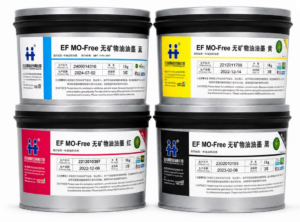
At Hypertai, our mineral oil-free offset ink range includes the EF MO-FREE Series. This vegetable-oil-based ink solution is positioned for packaging and publication applications. Our product information highlights printability, color quality, ink-water balance, and mineral-oil-related considerations.
For professional printers, mineral oil-free ink offers an alternative formulation intended to reduce reliance on mineral oil while maintaining the performance needed for commercial offset printing.
Mineral Oil-Free Offset Ink vs. Conventional Offset Ink
When comparing mineral oil-free formulations with conventional oil based ink, printers should consider three main differences.
Raw materials: Traditional offset inks may contain mineral-oil-derived components, while mineral oil-free alternatives can use vegetable oils and other suitable materials. The proportion of renewable ingredients depends on the specific formulation.
Environmental considerations: Reducing mineral-oil-related substances may help printers address customer specifications and concerns about mineral oil hydrocarbon migration in certain packaging applications. However, the environmental profile depends on the complete formulation and its production process. Mineral oil-free status alone does not guarantee that an ink is suitable for every application.
Printing performance: Ink composition influences setting behavior, color reproduction, ink transfer, and rub resistance. Performance also depends on press conditions, substrate properties, and finishing processes. We recommend evaluating the ink under actual production conditions instead of assuming that different formulations perform identically.
When Should Printers Use Mineral Oil-Free Offset Ink?
We recommend considering mineral oil-free offset ink when customer specifications, sustainability objectives, or material requirements justify an alternative to conventional formulations.
Packaging printing: Folding cartons and paper-based packaging may require careful consideration of mineral oil hydrocarbons and potential migration. For food-related packaging, printers should evaluate the entire packaging structure, including the ink, substrate, and barriers. Mineral oil-free ink can support this assessment but does not automatically make packaging suitable for direct food contact.
Commercial printing and publications: Catalogs, brochures, educational materials, and other paper-based products may be suitable applications when customers request alternative ink formulations. Printers should still confirm color consistency, setting time, rub resistance, and finishing compatibility.
Export-oriented production: Printers serving international markets may need to meet specific chemical restrictions or customer purchasing requirements. Our mineral oil-free ink options can be evaluated against these requirements using the relevant product documentation.
Before switching, we recommend conducting production trials to confirm that the selected ink meets your pressroom requirements.
What Should Buyers Check Before Choosing Mineral Oil-Free Ink?
At Hypertai, we encourage customers to assess the following factors before selecting an ink solution:
- Formulation and documentation: Review technical data sheets and relevant compliance documents to confirm product composition and applicable claims.
- Printing performance: Evaluate ink-water balance, color strength, setting behavior, and rub resistance under actual press conditions.
- Substrate compatibility: Confirm suitability for the intended paper or paperboard and any coating, folding, cutting, or finishing processes.
- Production efficiency: Assess press stability, waste levels, and setting time during controlled production trials.
- End-use requirements: For food-related packaging, evaluate migration risks and applicable requirements for the complete packaging system rather than relying on the ink designation alone.
These checks help purchasing teams compare products and reduce the risk of selecting an ink that does not match their production needs.
Explore Mineral Oil-Free Offset Ink Solutions with Hypertai
At Hypertai, we supply printing materials for overseas B2B customers, including conventional offset inks and mineral oil-free alternatives. Our EF MO-FREE Series uses vegetable-oil-based technology and is positioned for packaging and publication applications.
You can explore our mineral oil-free offset ink products to review available options. We encourage customers to share their printing methods, substrate types, performance targets, and destination-market requirements so we can help identify suitable products.
For businesses exploring eco friendly ink printing, we help match suitable inks to their production requirements and evaluate performance using product documentation and press trials.
Conclusion
Mineral oil-free offset ink offers an alternative to conventional formulations containing mineral oil. It may suit packaging, commercial printing, publications, and export-oriented production when customer specifications or sustainability objectives support the change.
At Hypertai, we help printing businesses evaluate suitable ink options based on formulation, printing performance, substrate compatibility, and end-use requirements. Reviewing technical documentation and conducting production trials can help determine whether mineral oil-free ink is the right choice for your operations.