Packaging converters are facing a broader brief than color, cost, and press speed alone. Brand owners increasingly ask what materials are in a package, whether it can move through existing recycling systems, and what documentation supports environmental claims. For ink buyers, these requests can prompt a review of formulations used for cartons, paperboard packaging, labels, and commercial print supplied to packaging brands.
In 2026, the outlook for eco-friendly ink is shaped less by one universal formula than by market-specific rules, customer specifications, and the need to balance environmental objectives with dependable print performance. At Hypertai, we recommend looking beyond the label: a vegetable oil-based ink may address selected raw-material concerns, but the best choice still depends on the substrate, printing process, end use, and evidence available for the finished package.
Packaging Regulations Are Reshaping the 2026 Outlook
One important policy change is the European Union’s Packaging and Packaging Waste Regulation (PPWR), which began applying on 12 August 2026. It establishes a common framework for packaging composition, waste reduction, reuse, and recycling, with additional requirements phased in over time. The regulation is not an ink-only rule, but it increases the need for converters and suppliers to consider how inks and other packaging components affect compliance and recyclability.
The same EU framework restricts PFAS above set limits in food-contact packaging from its application date. Separately, the European Printing Ink Association introduced its voluntary Charter for printing inks and related products in 2026, focusing on responsible raw-material selection and risk-based product stewardship. These developments make documentation and ingredient transparency important sourcing questions, although a voluntary industry charter is not a substitute for legal compliance or product-specific approval.
Demand Is Moving Toward Evidence-Based Sustainability Claims
Global demand does not follow one uniform rulebook. Exporters may face retailer requirements, brand specifications, local chemical restrictions, and different expectations for recyclable packaging depending on the destination market. As a result, buyers increasingly need suppliers who can identify the exact formulation, explain its intended applications, and provide documentation that corresponds to the product being quoted.

We see a practical opportunity for eco-friendly ink solutions that are tied to verifiable properties instead of broad marketing language. A vegetable oil-based ink may reduce reliance on some petroleum-derived raw materials, depending on its formulation, but this alone does not prove that the full package has a lower carbon footprint or is recyclable. Buyers should ask what is measured, what is claimed, and which technical documents support that claim.
Vegetable Oil Formulations Are One Part of the Picture
Mineral-oil-free and vegetable-oil-based formulations are relevant to certain paper and board packaging applications, particularly where buyers want to reduce mineral-oil sources in printed materials. The European Printing Ink Association’s recycling guidance discusses mineral-oil-free inks for paper and board packaging, reflecting a supply-chain effort to address mineral oils during packaging use and paper recycling. However, the exact formulation and application remain important.
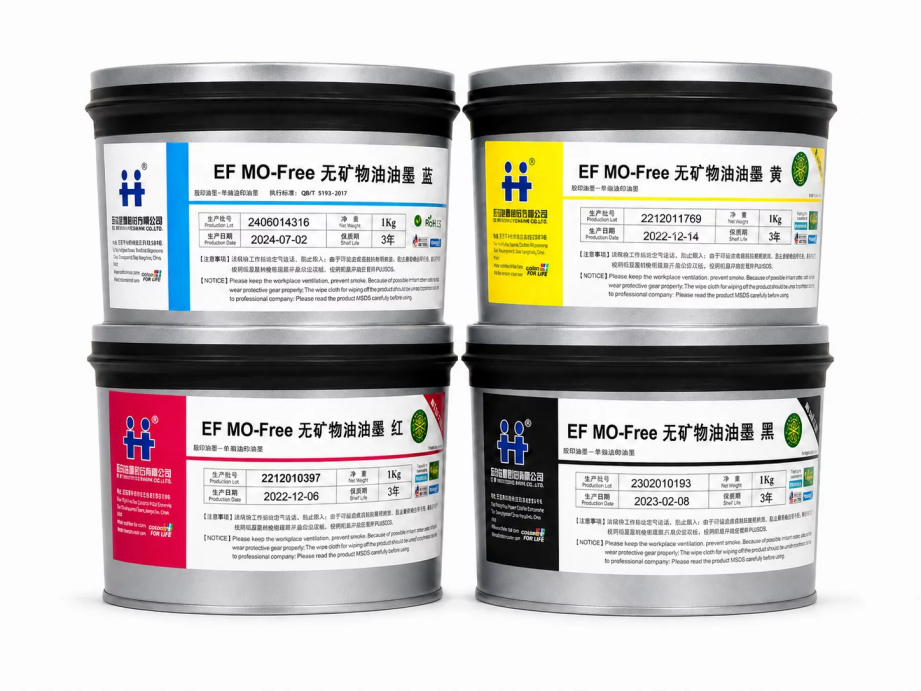
At Hypertai, our EF MO-FREE Series is described as a vegetable oil-based ink for sheet-fed offset printing, including packaging and publications. Hypertai’s product information also describes the series as mineral-oil-free and states that it is formulated to limit MOAH/MOSH content under relevant French mineral-oil requirements. We recommend requesting current technical data and applicable declarations to confirm the details for a specific product version and market.
Print Performance Will Remain a Commercial Requirement
Sustainability goals have limited value to a converter if an ink creates recurring set-off, unstable ink-water balance, color variation, or poor rub resistance. Packaging production must still meet its agreed color targets and move through folding, cutting, stacking, and delivery with acceptable waste and turnaround times. A change in formulation should therefore be assessed under representative press conditions rather than judged solely from ingredient descriptions or a sample printed elsewhere.
For this reason, we recommend qualifying a vegetable oil-based ink on the intended paper or board, with the real press settings and planned finishing process. Hypertai positions EF MO-FREE for established sheet-fed offset workflows and highlights printability and ink-water balance in its product description. Actual results depend on substrate, coverage, press conditions, and finishing, so a controlled trial remains the right step before wider adoption.
Regional Market Outlook: Documentation and Application Fit
In Europe, the PPWR and existing chemical frameworks make packaging composition, recyclability, and substantiated claims particularly relevant for market access. Other markets may place different emphasis on retailer standards, restricted substances, supply-chain transparency, or production economics. For suppliers serving more than one region, the practical challenge is to keep documentation organized by product and market rather than assume that one statement covers every destination.
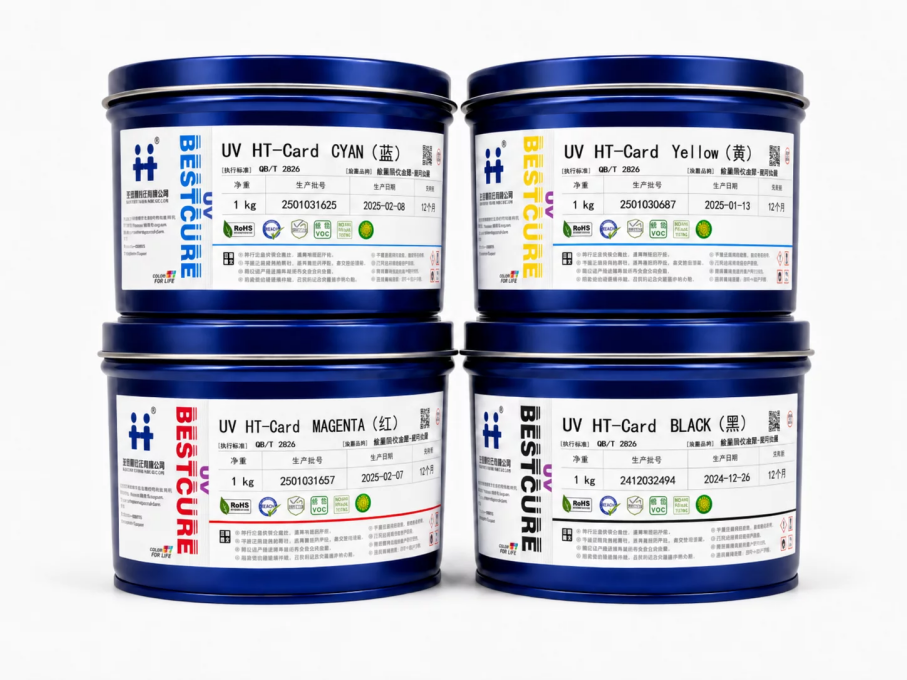
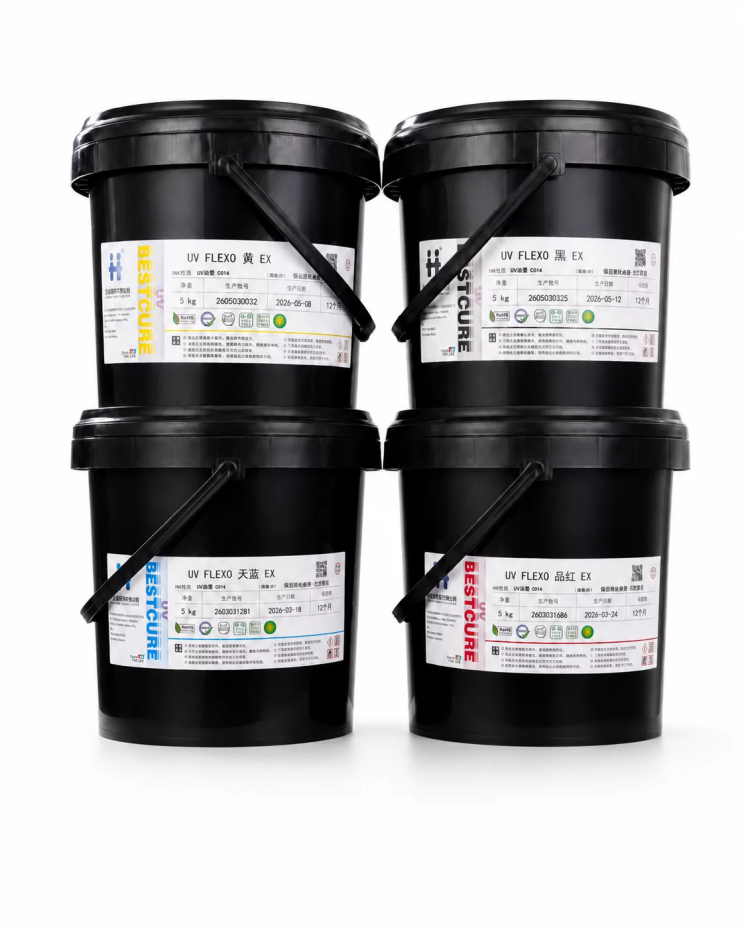
Across global sourcing, we expect buyers to focus on application-specific solutions: mineral-oil-free inks for suitable paper and board work, water-based systems for selected processes, and UV or other technologies where performance and substrate requirements call for them. An eco-friendly ink should be evaluated in the context of the whole job, including waste, cleaning, energy, and finished-package requirements—not just one ingredient or marketing claim.
Putting the Formulation to the Test Before You Scale Up
For converters weighing an eco-friendly ink, the decision comes down to evidence that survives a production run. A vegetable oil-based ink is a starting point, not a guarantee, so qualify the formulation on the intended substrate with the real press, finishing steps, and destination-market requirements in view. Hypertai’s EF MO-FREE Series is a mineral-oil-free option for sheet-fed offset work; contact our team to review details and arrange a representative production trial before wider adoption.