A print buyer choosing ink for a brochure, catalog, or folding carton balances several linked decisions: the installed press, paper or board specification, finishing schedule, and expected appearance. UV curing can help when fast handling or printing on less absorbent material is a priority. Yet it is not automatically the right route for every paper-based job, particularly when a conventional offset workflow already meets quality and delivery requirements.
At Hypertai, we encourage printers to begin with production needs rather than assuming one technology should replace another. Conventional printing inks, including sheet-fed oil-based formulations, can remain a practical choice when substrates, press setup, drying time, and finishing plans align. The key is to understand where an oil-based ink fits the job, then confirm the choice through product data and a representative press trial.
Your Existing Press Is Set Up for Conventional Offset
A conventional sheet-fed offset line already has an established balance of inking, dampening, delivery, and drying practices. Switching to UV calls for compatible curing equipment, ink train considerations, changes to operating procedures, and staff familiarization. If your current press produces stable work on suitable paper stocks, changing the ink system can add complexity without solving a defined production problem.
We offer oil-based and mineral-oil-free offset options for printers who need to work within conventional sheet-fed production. Hypertai’s FUN HT Series is described as a cost-effective sheet-fed oil based ink for commercial printing and packaging, engineered for rapid setting and ultra-fast drying to help prevent back-side smudging (set-off) and move printed sheets faster to post-press finishing. We recommend checking press compatibility, substrate, and finishing requirements before changing a proven setup.
Your Main Substrates Are Paper and Paperboard
Conventional offset inks are commonly used for commercial print, publications, and paper-based packaging. Depending on the stock, the ink vehicle partly sets through absorption before the ink film hardens through oxidation. This process can suit absorbent or appropriately coated paper when the pressroom has enough time and space for the printed sheets to set before folding, trimming, or binding.
If your regular orders include brochures, catalogs, business materials, and folding cartons, conventional printing inks can meet the required print quality without introducing a curing stage. We match the oil-based ink to the actual paper grade and press conditions, because coating, absorbency, ink coverage, and room conditions all affect setting. A press test helps confirm how the chosen formulation behaves with the intended stock.

Your Finishing Schedule Allows for Ink Setting
The main trade-off is time. Conventional sheet-fed offset inks generally set through a combination of absorption and oxidation, so the pile needs to rest before demanding finishing operations. Poorly controlled setting can contribute to set-off, blocking, or marking. The appropriate wait depends on ink film, paper coating, temperature, humidity, and other process variables; it should be established for the actual job rather than assumed from a standard number of hours.
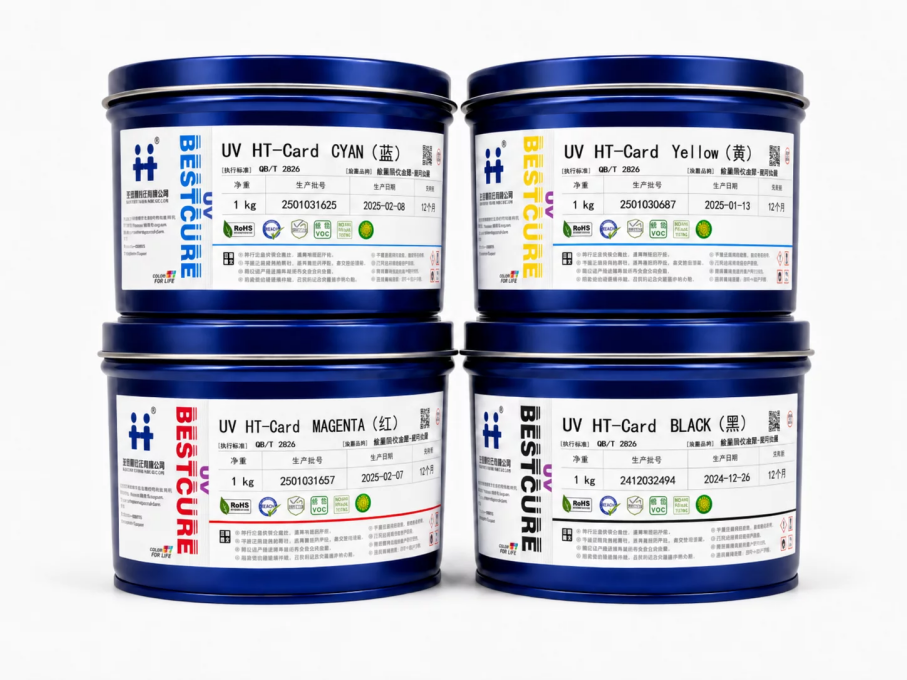
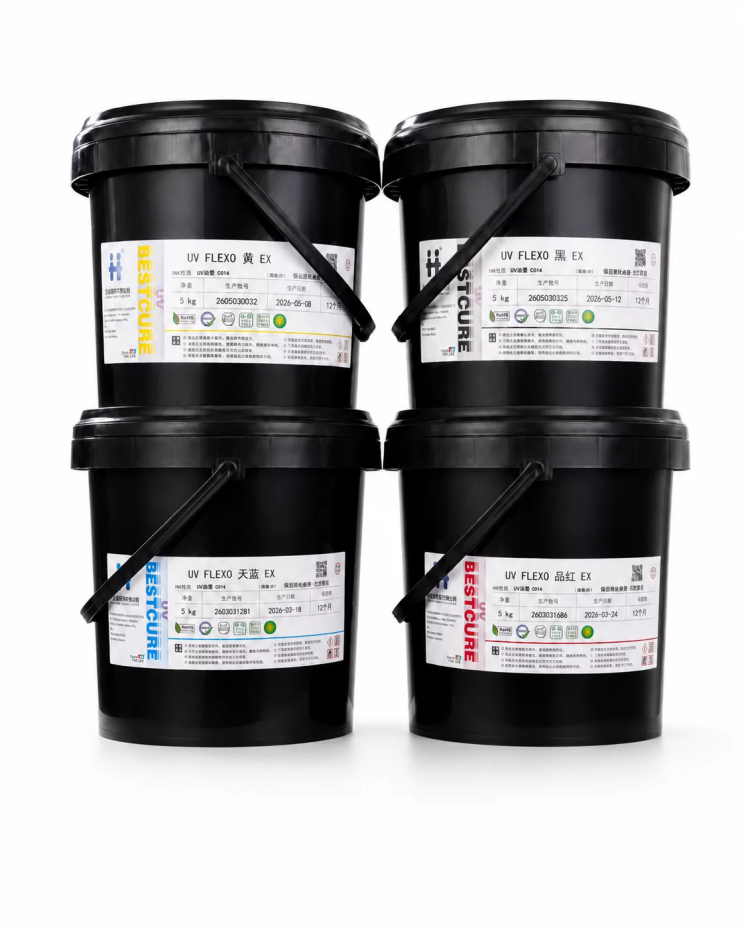
UV inks cure when exposed to a compatible UV source, which can shorten the interval before handling in suitable applications. If your production schedule already accommodates conventional setting, that speed advantage may not justify changing the system. At Hypertai, we suggest comparing the whole workflow—including stacking, coating, cutting, folding, and dispatch—before choosing between conventional printing inks and UV-curable alternatives.
You Need to Keep Investment and Operating Changes Manageable
UV conversion can involve more than purchasing a different ink. Depending on the press, it requires curing units, lamp maintenance, electrical capacity, compatible blankets or rollers, and updated safety procedures. Those factors can be worthwhile when the jobs demand rapid curing or specialized substrates, but they need to be evaluated against expected volume and the savings that faster production could deliver.
Where an existing conventional press meets customer specifications, using a compatible oil-based ink may let a printer retain established routines and focus spending on materials or quality control. We advise comparing total cost per accepted job, not simply ink price: include equipment changes, energy, cleaning, labor, waste, and time awaiting finishing. This gives procurement teams a more useful basis for deciding whether conversion is commercially justified.
You Want a Conventional Option With Different Formulation Priorities
Conventional ink does not necessarily mean every formulation uses the same oil components. Some printers need to consider customer requirements for mineral-oil content or chemical documentation, particularly when producing packaging for sensitive markets. Any claim about regulatory suitability should be tied to current technical documents and the exact intended use, rather than inferred from a broad product description.
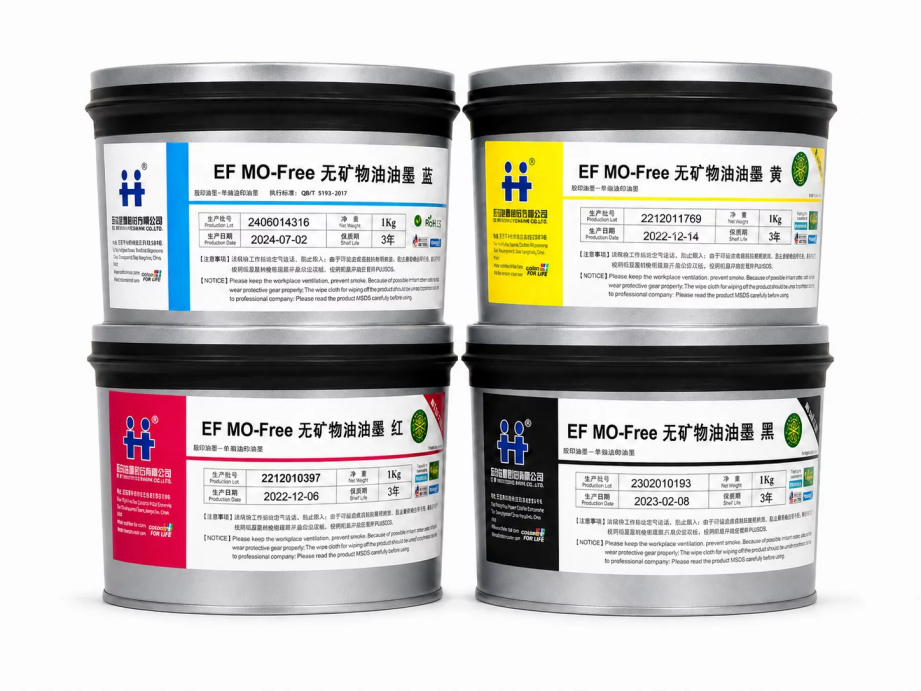
Hypertai’s portfolio includes both sheet-fed oil-based inks and mineral-oil-free alternatives. The EF MO-FREE Series is described by Hypertai as a vegetable-oil-based, mineral-oil-free offset ink for applications including packaging and publications. It is worth evaluating when formulation requirements matter but a conventional offset process remains appropriate. We recommend requesting documentation and testing the ink on the intended substrate before approval.
Match the Ink Choice to Your Production Line
The practical question is not which technology is newer, but which one keeps your press running to spec with the least disruption. Hypertai can help you weigh conventional printing inks against UV options, then confirm an oil based ink on your actual stock and schedule. Share your press type, substrate, and finishing plans with our team to review product data and run a press test under your real conditions before you switch from your current formulation.